

Tool Interface Preview
City Wind Speed and Direction Query
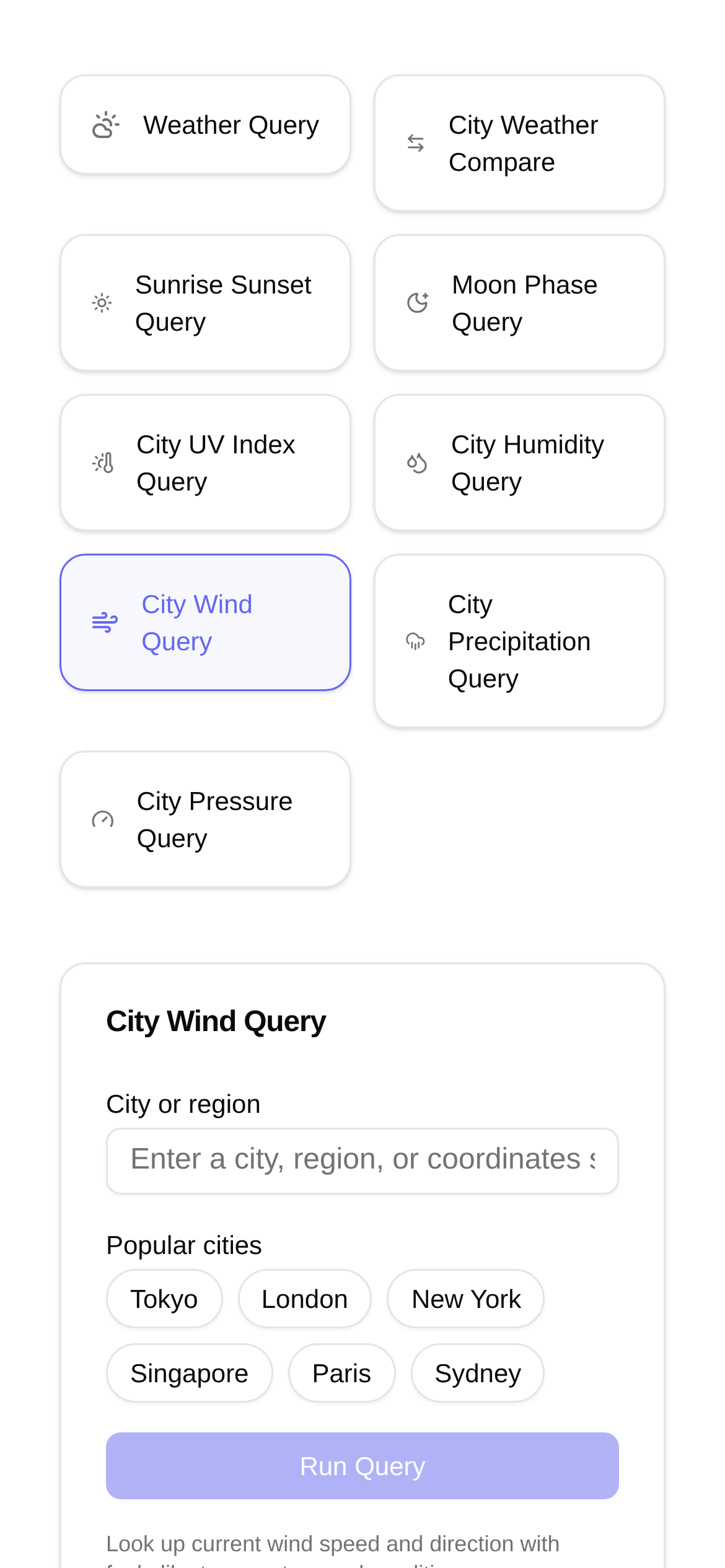
Hi there! I'm someone who loves tinkering with productivity tools and sharing life hacks. Today, let's talk about the wind—an old friend we encounter every day. You often hear phrases like "force 3 to 4 winds" in weather forecasts, but have you ever wondered what's actually behind those numbers? And how do they quietly impact every aspect of our daily lives?
Wind Scales: More Than Just Cold Numbers!
When we talk about wind scales, we're primarily referring to the Beaufort scale. This standard breaks down wind speeds from Force 0 all the way to Force 12. Each level has a specific wind speed range, and even better, it describes exactly what the wind looks like on land and at sea. For example, Force 0 is calm—wind speeds are under 0.3 m/s, and smoke rises vertically. But hit Force 12, and you're dealing with a hurricane. Wind speeds soar above 32.7 m/s, which is strong enough to tear roofs off houses. With this context, the next time you see a wind scale rating, you'll instantly picture its intensity rather than just seeing a dry number.
So, what if you want to check the real-time wind speed and direction for a specific city? Let me recommend a super practical little tool: the City Wind Speed and Direction Query. With it, checking real-time wind data for various cities is a breeze. You can easily switch wind speed units and view azimuth angles. Whether you're just going for a walk or planning an outdoor adventure, it's incredibly convenient. You might be asking, "How exactly do I use this thing?" Don't worry, I'll walk you through it step-by-step later on.
The Many Uses of Wind Scales
The application of wind scales goes far beyond a quick mention in the weather forecast. It integrates into almost every aspect of our lives:
- Outdoor Enthusiasts, Take Note! For cycling, running, hiking, sailing, and surfing, wind speed and direction can make or break your experience. Think about it: sailing requires the right wind direction to set off, while for hikers, strong winds are a very real danger signal. Using the City Wind Speed and Direction Query to plan your route in advance can help you avoid a lot of unnecessary trouble.
- The "Weather Vane" of Aviation and Navigation: Aircraft takeoffs, landings, and long-distance voyages all rely on precise wind data. If the wind is too strong, flights may be delayed or canceled. At sea, wind and wave scales directly impact navigational safety.
- The "Stabilizer" of Construction and Engineering: Building skyscrapers, constructing bridges, and erecting wind turbines all require careful consideration of wind loads. The higher the wind scale, the stricter the strength requirements for the building's structure. When engineers design these structures, they perform rigorous calculations based on years of local wind data.
- Farmers "Trimming the Sails": Agriculture is highly sensitive to wind. A gentle breeze helps pollinate crops, but strong winds can cause lodging (crops falling over) and accelerate the spread of pests and diseases. Understanding wind scales allows farmers to take timely protective measures.
- The Little Joys of Daily Life: Hanging laundry, flying kites, hosting an outdoor BBQ, or even just deciding which route to take to work—wind speed and direction quietly influence our choices. So, who is the "City Wind Speed and Direction Query" for? I think anyone who needs wind data, from professionals to everyday folks, can benefit from it.
City Wind Speed and Direction Query: So Simple You'll Master It in Seconds!
You might be wondering, "Is there a tutorial?" Actually, this tool is incredibly simple to use:
- Open the Link: Simply visit https://www.toolkk.com/tools/city-wind-query.
- Enter a City: Type the name of the city you want to check into the search box. The system will automatically match it and display the data.
- View the Data: The page will instantly show the city's real-time wind speed (you can switch units like m/s, km/h, mph, etc.) and wind direction (including azimuth angles and text descriptions like "Northeast wind" at a glance).
- Switch Units: If you want to view wind speeds in a different unit, just click the unit option to switch effortlessly.
The beauty of this tool lies in its clean interface and fast data updates, plus it's specially optimized for Chinese city data. It focuses solely on wind speed and direction queries without any unnecessary clutter, letting you find the information you need at a glance.
Frequently Asked Questions
- Is the data accurate? Is it real-time? The data provided by this tool is updated in real-time. However, keep in mind that meteorological data can sometimes have a slight lag, and microclimates can vary from place to place. Before making important decisions, it's best to cross-reference with actual local conditions.
- Where does the data come from? The tool sources its data from professional, official meteorological agencies, ensuring a high level of accuracy and authority.
- "Is the City Wind Speed and Direction Query reliable?" Overall, the data it provides is highly accurate and more than sufficient for most daily and professional needs. But in the event of extreme weather, I strongly recommend checking official weather warnings simultaneously—that's always the safest bet.
Wind is nature's messenger; it can bring a refreshing breeze or cause disasters. Understanding wind scales, speeds, and directions helps us live in better harmony with nature and make smarter decisions. So, the next time you need to check wind information, don't forget to try out the City Wind Speed and Direction Query tool I recommended!
A Quick Disclaimer: The information provided in this article is for reference only and cannot replace the authoritative releases and advice of professional meteorological agencies. Whether you're planning an outdoor activity or making engineering decisions, please be sure to consult official weather warnings and professional guidance—that is always the most reliable approach.