

Tool Interface Preview
Housing Fund Loan Calculator
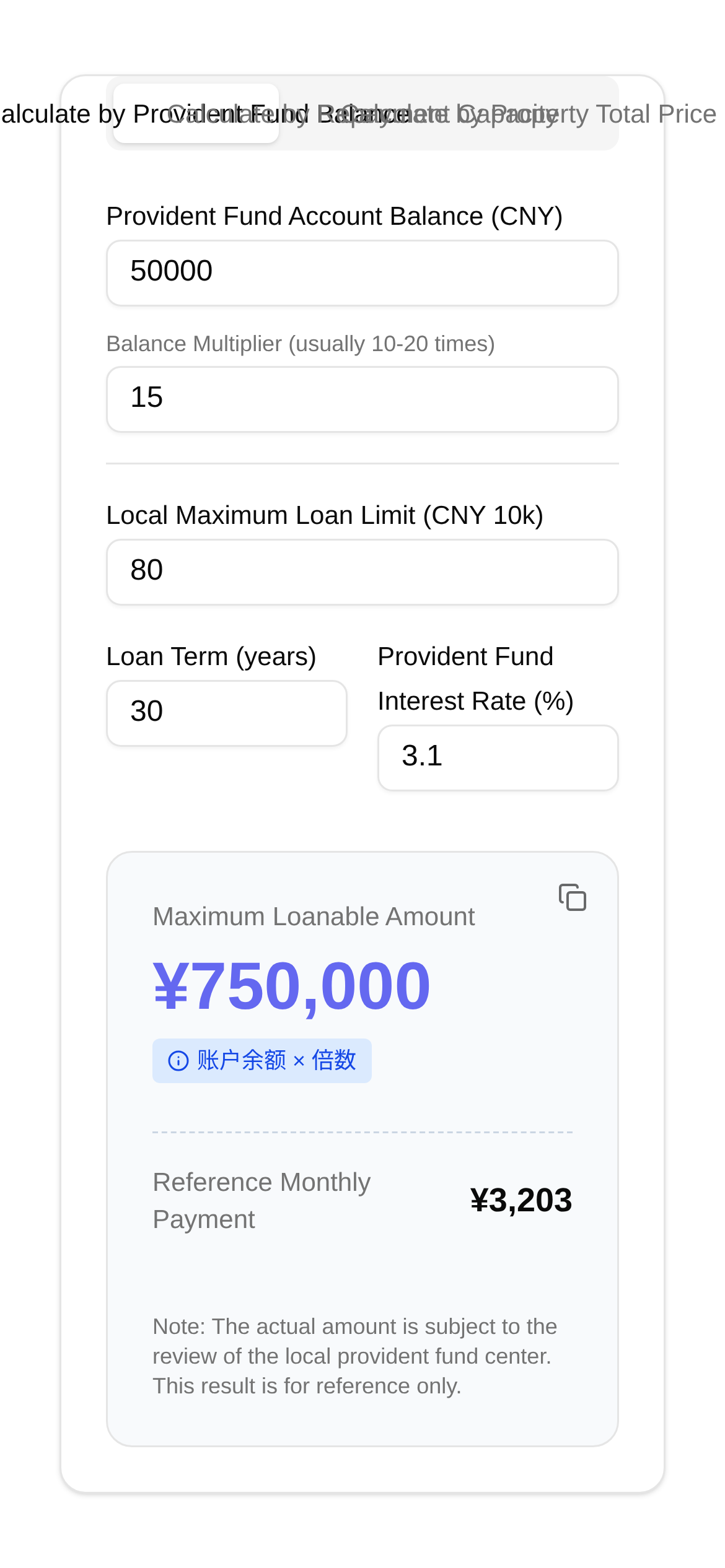
When it comes to buying a house, aside from scraping together the down payment, choosing a mortgage repayment method is probably the biggest headache. Especially for a Housing Fund Loan, the choice between a "fixed monthly payment" (equal installment) and a "fixed principal payment" (equal principal) is like standing before two doors. The one you open directly affects your repayment pressure and total costs for decades to come. Don't say I didn't warn you—there's a lot to learn here. Today, I'm going to break it down for you and help you choose the path that suits you best.
Fixed Monthly Payment vs. Fixed Principal Payment: What Do They Mean?
It's actually not that complicated; they are simply two different repayment strategies.
-
Fixed Monthly Payment (Equal Installment): Think of it as paying a fixed "rent" to the bank every month, which includes both principal and interest. When you first start repaying the loan, because you owe a lot of principal, the majority of this "rent" goes toward interest. As you gradually pay it off, the principal decreases, and naturally, the interest decreases too. Over time, the proportion of principal in your monthly payment gradually increases. The advantage of this method is its stability. You know exactly how much you need to pay each month, making it perfect for those who prefer a steady, predictable financial life.
-
Fixed Principal Payment (Equal Principal): This method is a bit like "bitter first, sweet later." The principal you repay to the bank each month remains fixed, while the interest decreases as your outstanding balance shrinks. Therefore, your initial monthly payments will be higher, bringing a bit more financial pressure. However, the payment amount will decrease slightly every month, gradually making it easier to manage. The benefit here is that because you are paying off the principal faster, your total interest paid over the life of the loan will be less than with a fixed monthly payment.
Let's See Which Method Is Right for You
Now that we understand the principles, let's talk about which type of borrower you are:
-
Fixed Monthly Payment is suitable if you:
- Have a stable income but are temporarily tight on cash, and don't want to be overwhelmed by high initial monthly payments.
- Prefer a steady lifestyle and don't want fluctuating monthly payments to disrupt your household budget.
- Aren't overly concerned about paying a bit more in total interest and prioritize a stable monthly cash flow.
-
Fixed Principal Payment is suitable if you:
- Currently have a higher income, or expect your income to decrease in the future (e.g., due to retirement), and want to pay off more principal while your repayment capacity is strong.
- Are a savvy saver who wants to pay off the loan as quickly as possible and save every penny on interest.
- Have flexible funds on hand and are even considering paying off the loan early. This method allows you to save more on interest.
Actions Speak Louder Than Words! The Housing Fund Loan Calculator Makes It Clear!
I know that just listening to the theory might still leave you a bit confused. The best approach is to plug in your actual numbers and calculate it yourself—comparing the digits is the most intuitive way! Here, I highly recommend a practical online tool: the "Housing Fund Loan Calculator."
Tool Name: Housing Fund Loan Calculator
Access Link: https://www.toolkk.com/tools/housing-fund-loan-calculator
Brief Introduction: This tool is incredibly easy to use. It helps you clearly calculate the monthly payments and total interest for your housing fund loan. Most importantly, it displays the results for both the fixed monthly payment and fixed principal payment methods side-by-side, letting you see at a glance which one is more cost-effective and suitable for you.
How do you use it? Follow me step by step:
- Open the tool: Simply click the link above to enter the calculator page.
- Enter your loan information: The website will prompt you to input the total loan amount, the loan term (in years), and the interest rate. A quick reminder: housing fund loan interest rates are typically lower than commercial mortgage rates, so make sure you enter the correct rate!
- View the results: The page will automatically list the results for both repayment methods. You can clearly see how much you need to pay each month, the total interest you'll pay, and the total repayment amount for each option.
Let me answer a few frequently asked questions:
- Is this calculator accurate? Rest assured, these professional calculation tools use standard bank algorithms. As long as the information you input is correct, the results will be accurate and perfectly reliable for reference.
- How do I compare the two methods? The tool page displays the data for both methods side-by-side. Just look at the figures for the monthly payment and total interest—it will be obvious which one better meets your expectations.
- How does early repayment affect these two methods? Early repayment generally pays down your principal first, which reduces your future interest. With the fixed principal payment method, because you are already paying off the principal faster, early repayment might save you even more on interest. However, the exact calculation depends on your loan contract and the bank's policies.
- Who is this calculator for? Whether you are a beginner applying for a housing fund loan for the first time or someone looking to understand the differences between repayment methods, this calculator can help you.
My Honest Advice:
When choosing a repayment method for a housing fund loan, there is truly no "best" option, only the "most suitable" one. Both fixed monthly payments and fixed principal payments have their own advantages. The key is to make a decision based on your income, future expectations, risk tolerance, and monthly expense needs. Make good use of the calculator above; it can help you quickly and accurately find the plan that suits you best, making your mortgage journey much smoother.
A Quick Reminder: Everything I've shared is based on my experience and general financial knowledge. It does not constitute investment or financial advice. Before making your final decision, it's best to consult with a professional financial institution or credit advisor who can provide you with personalized, professional guidance.